UX strategy for products where friction is costing real money.
Make it obvious. Make it effortless.
We design experiences that pull users from first click to final conversion with minimum friction. Research first, prototype before code, ship only what we can defend with data.
Timeline
2-6 weeks depending on research and prototype depth
Engagement
Research + synthesis + flows + prototypes + recommendations
Investment
Scoped by research depth, stakeholder complexity, and deliverables
Why Teams Come To Us
- Products with friction-heavy journeys or unclear conversion paths
- Teams redesigning before building, not after wasting dev cycles
- Operators who want decision-making backed by user insight
Outcomes We Usually Move
- Clearer journeys
- Less friction
- Better conversion and retention behavior
Not For
- Teams that want pretty mockups without user research
- Projects where stakeholder opinions beat user data
- Orgs not ready to test assumptions before building
Standards
How We Design Experiences That Convert
Research Before Design
Opinions are free. User data costs effort. We do the effort.
Journey-Level Thinking
Screens are not the product. The journey is.
Prototype Validation
Test the idea before you build the thing.
Conversion-Aware Design
Beautiful UX that does not convert is expensive decoration.
Deliverables You Can Act On
Decks that sit in a folder are not deliverables.
Proof
What This Looks Like In Practice
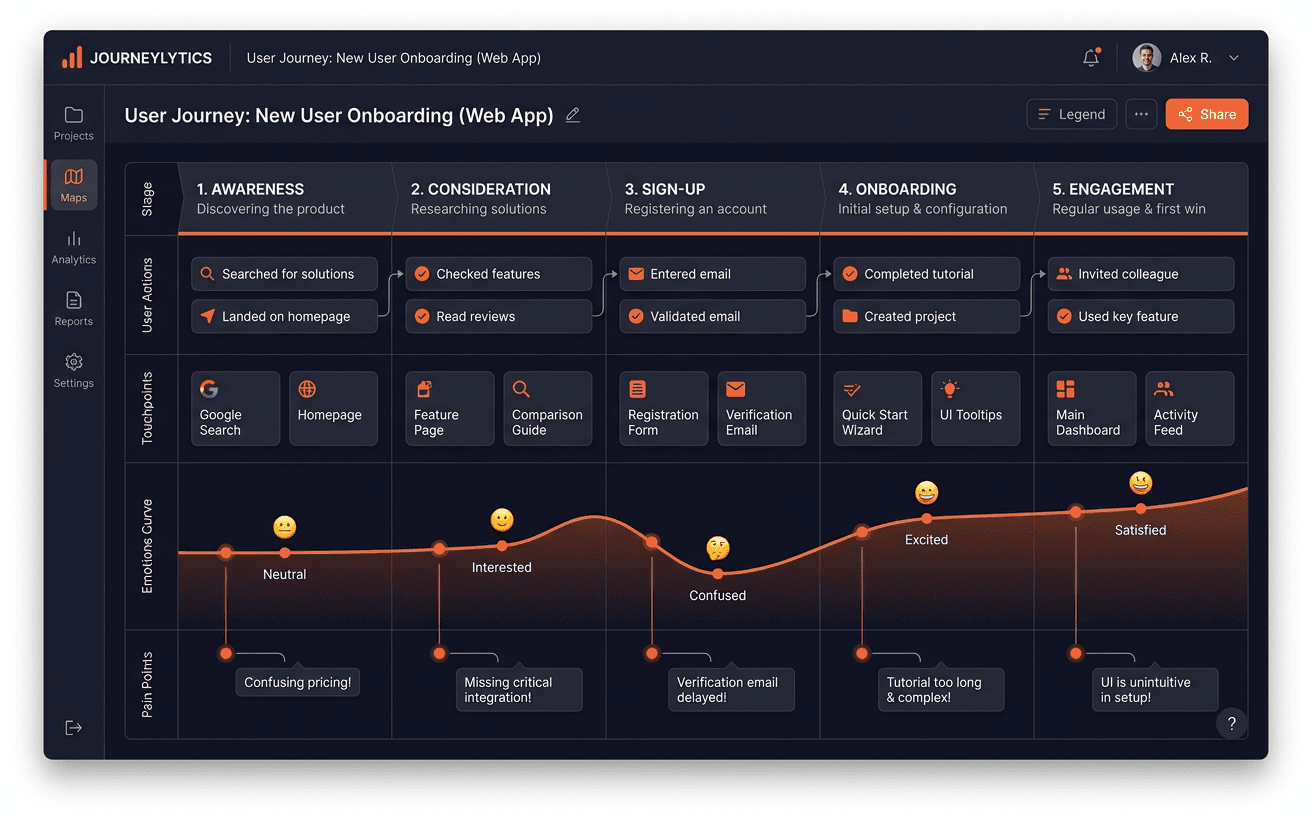
User Journey Mapping
Full journey visualization with friction points and opportunity gaps.
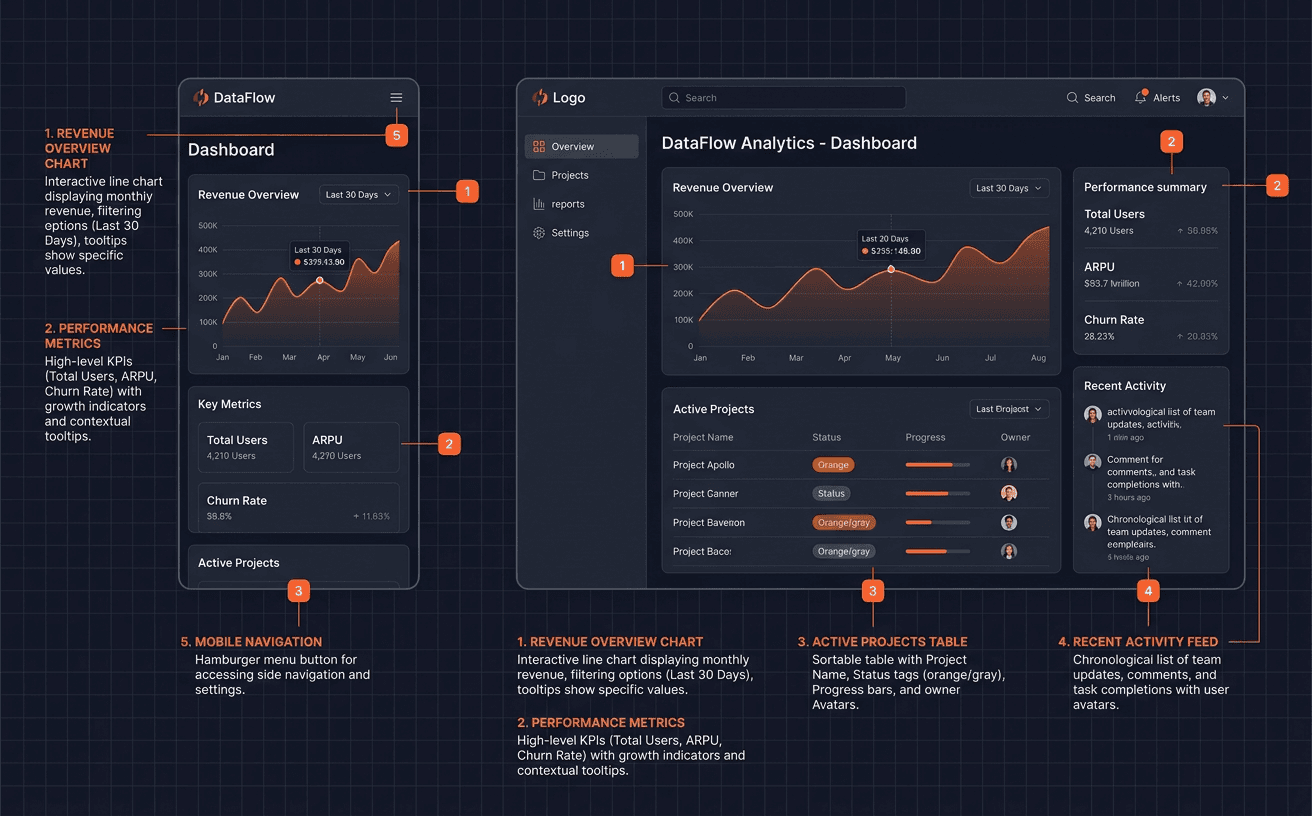
Wireframe and Prototype
Interactive prototypes tested with real users before development.
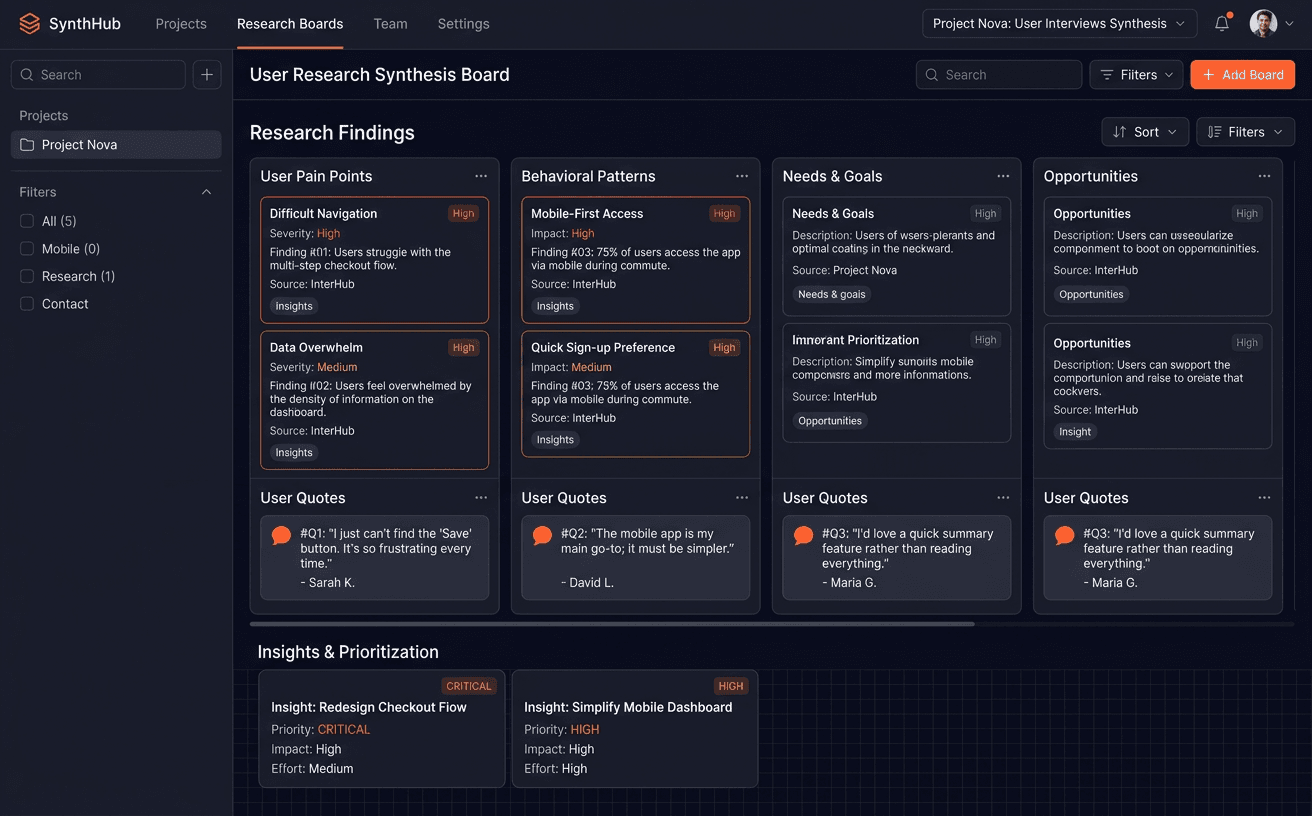
Research Insights Synthesis
User findings organized into design recommendations your team can act on.
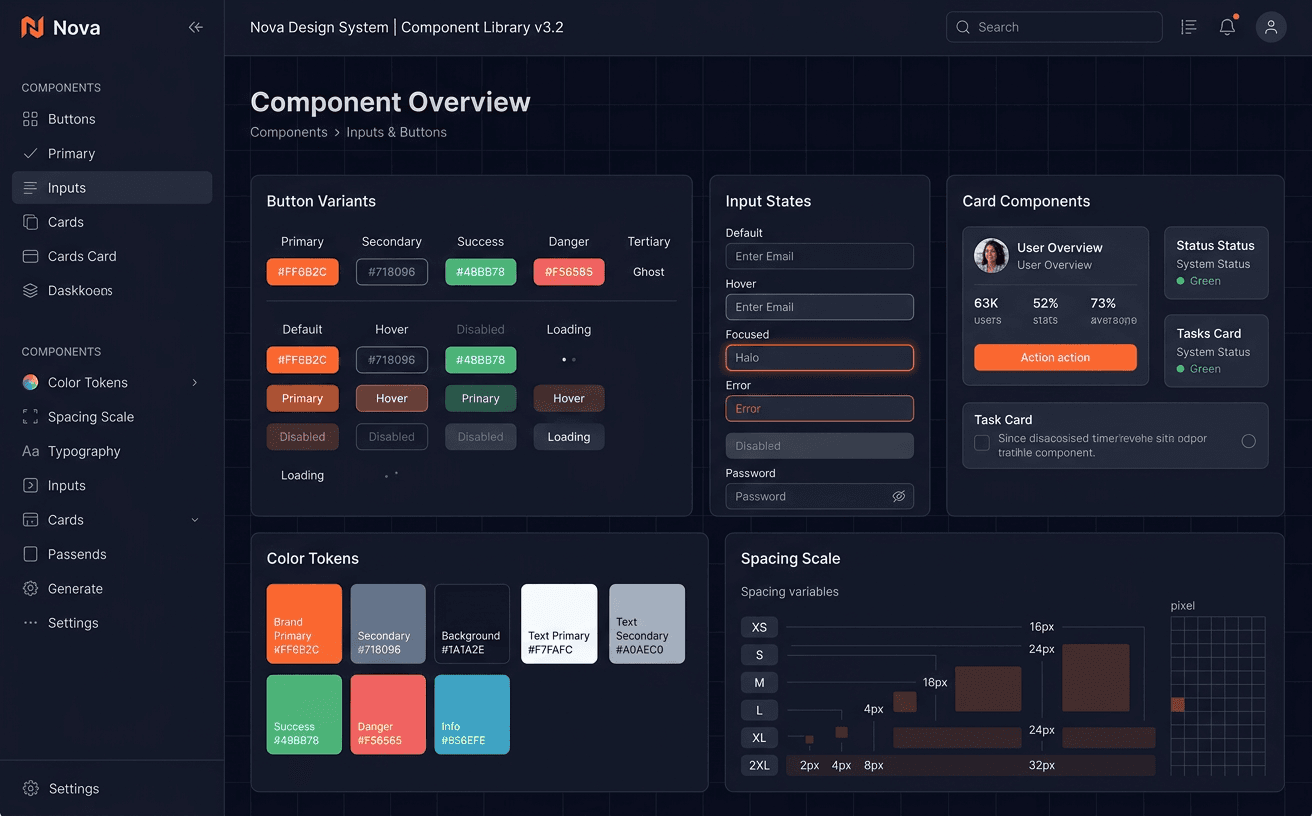
Design System Components
Reusable component libraries that scale across product surfaces.
Results
50%
Less Friction
Avg. reduction in user drop-off points
2x
Task Completion
Improvement in core journey success rate
0
Wasted Dev Cycles
Research-validated before a line of code
Shipping features nobody uses?
Let us find the friction before your users find the exit.
How UX Strategy Gets Done Right
Discovery and Research
- Stakeholder interviews and business goal alignment
- User research: interviews, surveys, and behavioral analysis
- Competitive UX audit and opportunity mapping
Synthesis and Journey Design
- Research synthesis and persona development
- User journey mapping with friction points called out
- Information architecture and flow design
Prototype and Test
- Wireframing and interactive prototype creation
- Usability testing with target users
- Iteration based on test findings
Specs and Handoff
- Implementation-ready design specs and annotations
- Prioritized UX roadmap for development
- Design system foundations and component guidelines
Free Audit
What We Evaluate
We review your product experience across six areas that directly affect conversion, retention, and user satisfaction.
User Flows
Conversion Paths
Mobile Experience
Accessibility
Information Architecture
Drop-off Points
Worth ₹20,000. Yours free.
UX Tools
FAQ
Frequently Asked Questions
Do you need access to our users for research?
Ideally yes, and we scope this on the first call. Interviews, surveys, and usability tests with real users are what separate this from opinion-driven design. If direct access is limited, we work with behavioral analytics, session recordings, and support data, but we will be honest about what that limits.
What do we actually receive at the end?
Implementation-ready design specs with annotations, a prioritized UX roadmap, journey maps with friction points called out, tested interactive prototypes, and design system foundations with component guidelines. Everything is built to be acted on by your developers, not to sit in a folder as a pretty deck.
Can you skip research and just redesign our screens?
We do not take that work, and we say so upfront. Screens are not the product; the journey is. Without research, a redesign is a coin flip with your conversion rate. Every engagement starts with user research so design decisions are grounded in behavior, and prototypes get tested before anything is built.
How does pricing for a UX engagement work?
Scope depends on research depth, how many journeys we map, prototype complexity, and testing rounds. We do not publish flat rates because those variables change the work significantly. Start with the free UX audit; after the scoping call you get a recommended approach with methods, deliverables, timeline, and cost.
Do you also build what you design?
We can. UX strategy hands off implementation-ready specs your own developers can build from, but we also ship custom Next.js and React builds as a separate web development service. If you want one team from research through launch, we scope both together so nothing gets lost in translation.
Process
What Happens After You Reach Out
Step 1
UX Assessment
We review your current product, user feedback, and conversion data to spot the biggest UX opportunities.
Step 2
Scoping Call
We align on research depth, user access, and which journeys matter most for your business outcomes.
Step 3
Research and Design Plan
You get a recommended approach with research methods, prototype scope, and a clear deliverables timeline.
Step 4
Execute and Deliver
Once aligned, we run research, design, test, and hand off implementation-ready artifacts with a clear roadmap.
Snapshot
Engagement Snapshot
Timeline
2-6 weeks depending on research and prototype depth
Engagement
Research + synthesis + flows + prototypes + recommendations
Investment
Scoped by research depth, stakeholder complexity, and deliverables
Handoff
Prioritized UX roadmap and implementation-ready artifacts
Explore
Other Services
Next Step
Think this might be the right fit?
Send a project brief. If there's a fit, we'll map the fastest path to outcomes.
Currently booking for May 2026