For D2C brands on Shopify and WooCommerce
Fix the leaks between the ad click and the second order
A store that converts, WhatsApp messages for carts, COD orders and reorders, and marketing that shows which channel brings revenue.
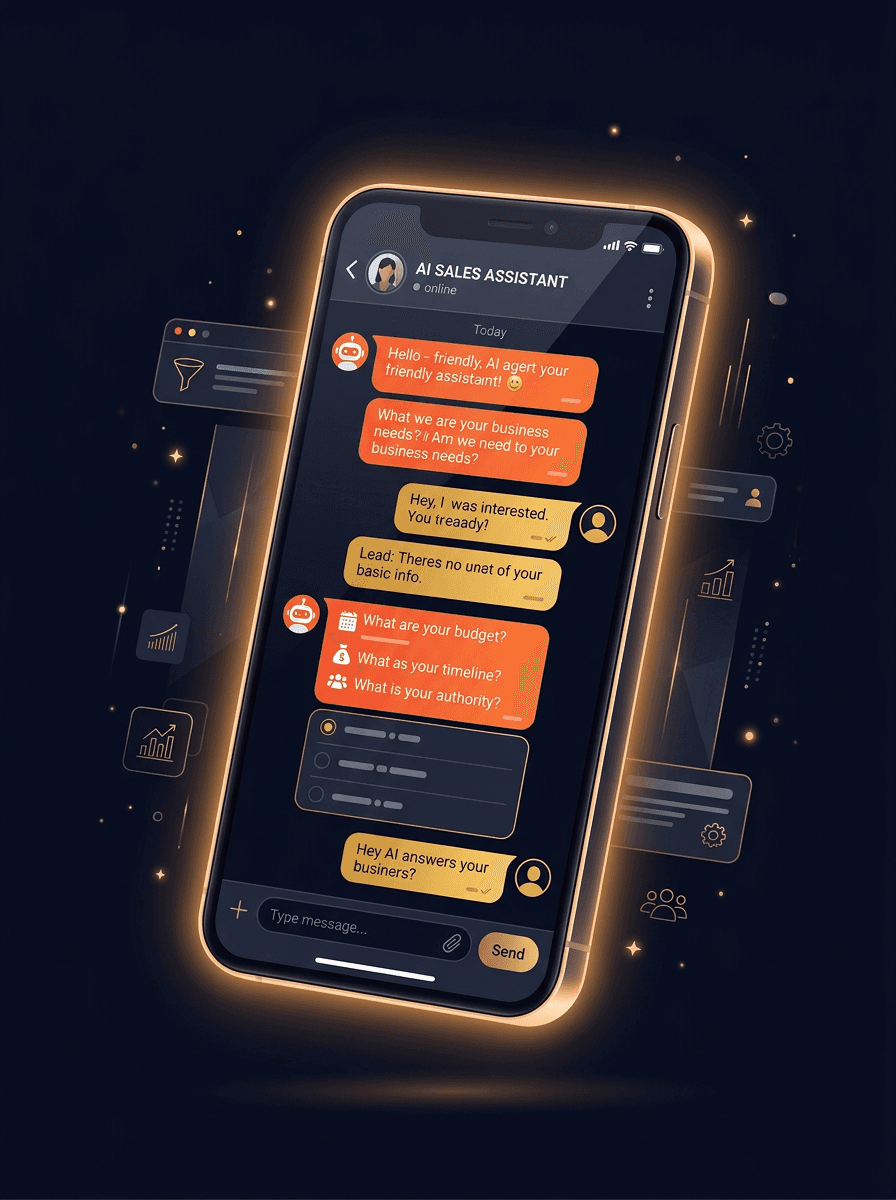
How we work with a D2C brand
- 01
Consultation: your numbers from click to reorder
We look at the whole journey: where traffic comes from, where shoppers leave the store, how many COD orders come back, how customers hear about their order and how many buy again. We look at your margins too, because a discount that wins a cart can lose money. You get a plan: what to build, what to skip, the build cost and the timeline.
- 02
Build: store, WhatsApp and data
Depending on the plan, that can be fixes to the Shopify or WooCommerce store itself, WhatsApp flows for cart recovery, COD confirmation, order updates and reorders on the provider you already use, and clean tracking so every order can be traced to the ad, influencer or message that brought it.
- 03
Grow: marketing you can measure
With the store and tracking in place, we help you grow: social media and content, paid ads with clear reporting, and getting found on Google and in AI search for the products you sell. Every campaign is tracked from the start, so budget follows what actually sells.
Where D2C revenue leaks after the ad click
Most brands have acquisition working well enough. The losses come later: a slow product page, a cart left behind, a COD order refused at the door, a customer who would have reordered if reminded.
Product pages that load and convert on a phone
Most shoppers arrive on a phone from an ad. We fix what slows them down or makes them hesitate: page speed, unclear sizing or ingredients, missing delivery and return information.
Websites and stores built to convertCart recovery on WhatsApp
A short reminder with the product and a link back to checkout, sent on the channel your customers read. Discounts are optional and set against your margin, not by default.
WhatsApp automation for D2C brands explainedCOD confirmation before dispatch
Every COD order gets a message to confirm, change the address or cancel before it ships. Orders that would have been refused are stopped before you pay to send them out and back.
WATI, Interakt and AiSensy compared for D2CReviews after delivery
A rating request a few days after delivery. Happy customers are asked for a public review; unhappy ones reach your support team first.
CRM, WhatsApp and email for follow-up comparedReorder reminders timed to the product
A reminder when the product is likely to run out, based on the customer's last order and how long the product lasts, instead of the same broadcast to everyone.
Automations and AI for store operationsOne view of what each channel earns
Meta, Google, influencer codes and WhatsApp in one report, so next month's budget split is based on orders rather than clicks.
Marketing and social media for D2C brands
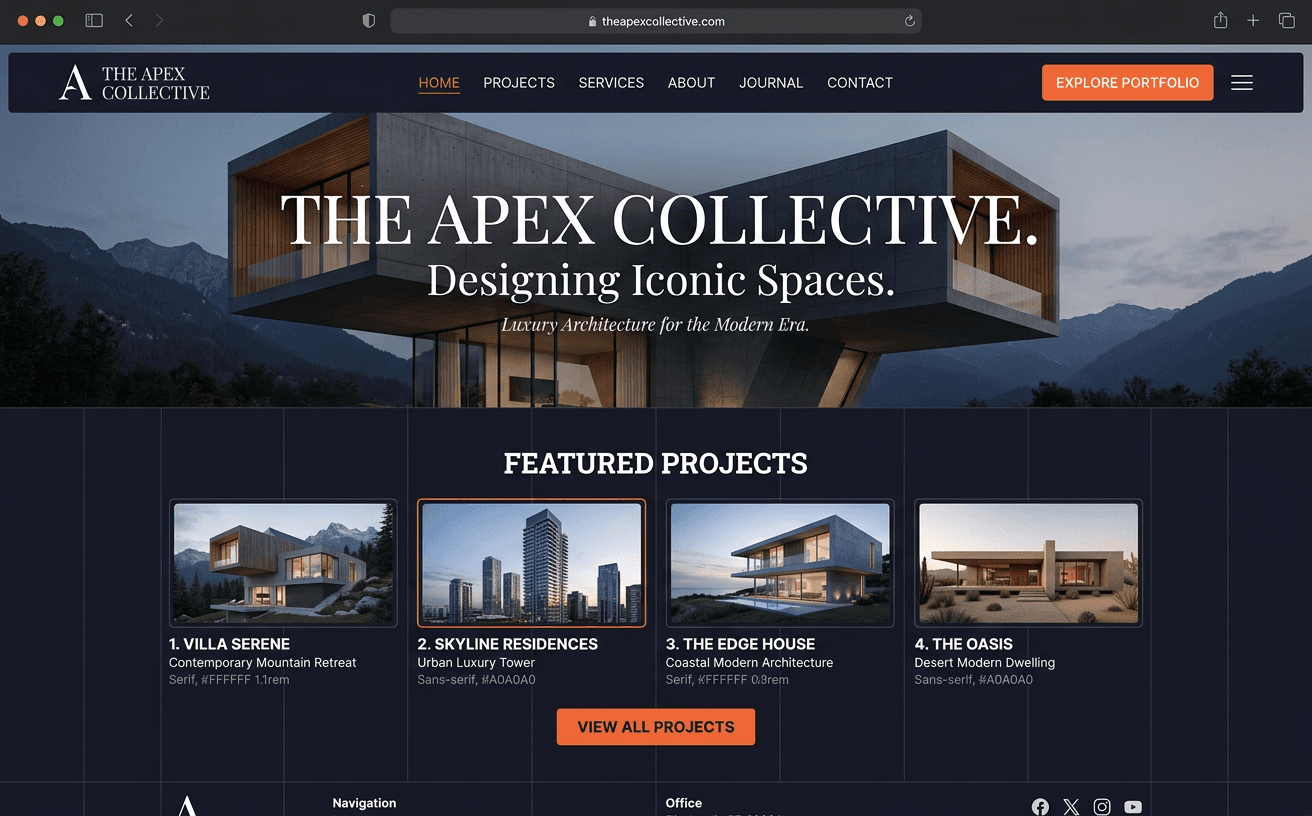
Capability showcase: how we do this work · Web Development
Business Websites That Convert
Read how we do this workSee where shoppers leave your store
The Website Conversion Autopsy reads your store and reports what stops visitors from buying, from slow pages on a phone to missing trust and delivery information, with fixes in order of priority.
Open the full tool
Launch the interactive version in a new tab to plug in your numbers.
Open the toolFrequently asked questions
Which store platforms do you work with?
Mostly Shopify and WooCommerce, and headless stores built on either. Shopify's webhooks and APIs cover carts, orders, fulfilment and customers, which is what the WhatsApp flows and tracking need. If you are on another platform, we check what it offers during the Consultation.Do we need to change our WhatsApp provider or email tool?
Usually not. We build on the WhatsApp provider you already pay for (WATI, Interakt, AiSensy, Gallabox or Meta's Cloud API) and keep Klaviyo or your email tool running alongside. We suggest a change only when the current tool is the actual problem, and we explain why.How do you reduce COD returns?
In three ways. A confirmation message right after the order lets buyers confirm, fix the address or cancel before dispatch. A delivery-day message with an easy reschedule reduces failed attempts. Orders that look risky, such as a new buyer with a high order value, can be routed to a person for a quick call. Some brands also offer a small incentive to switch to prepaid.How do you track which ad or influencer brought an order?
With consistent UTM tags, a unique code per influencer, and the click-to-WhatsApp reference that Meta passes into the conversation. Orders are matched back to their source and, where you use it, sent to Meta's Conversions API so the ad platform learns from real sales.What happens in the Consultation?
We go through your store, your traffic, your COD and repeat-order numbers and the tools you already use. You get a written plan: what to build, what to skip, the build cost and the timeline. If your current setup only needs tuning, the plan says so.
Related guides for D2C teams
Deeper reading on WhatsApp providers, follow-up channels and automation for store operations.
Services for D2C brands
Every engagement starts with a Consultation. These are the services the plan can draw on.
Last reviewed October 2026
Start with a Consultation about your store and your repeat customers.
We look at where shoppers leave, how COD orders end and how many customers come back. You get a plan: what to build, what to skip, the build cost and the timeline.