Follow-up channels compared
CRM vs WhatsApp vs email: which follow-up channel should you use?
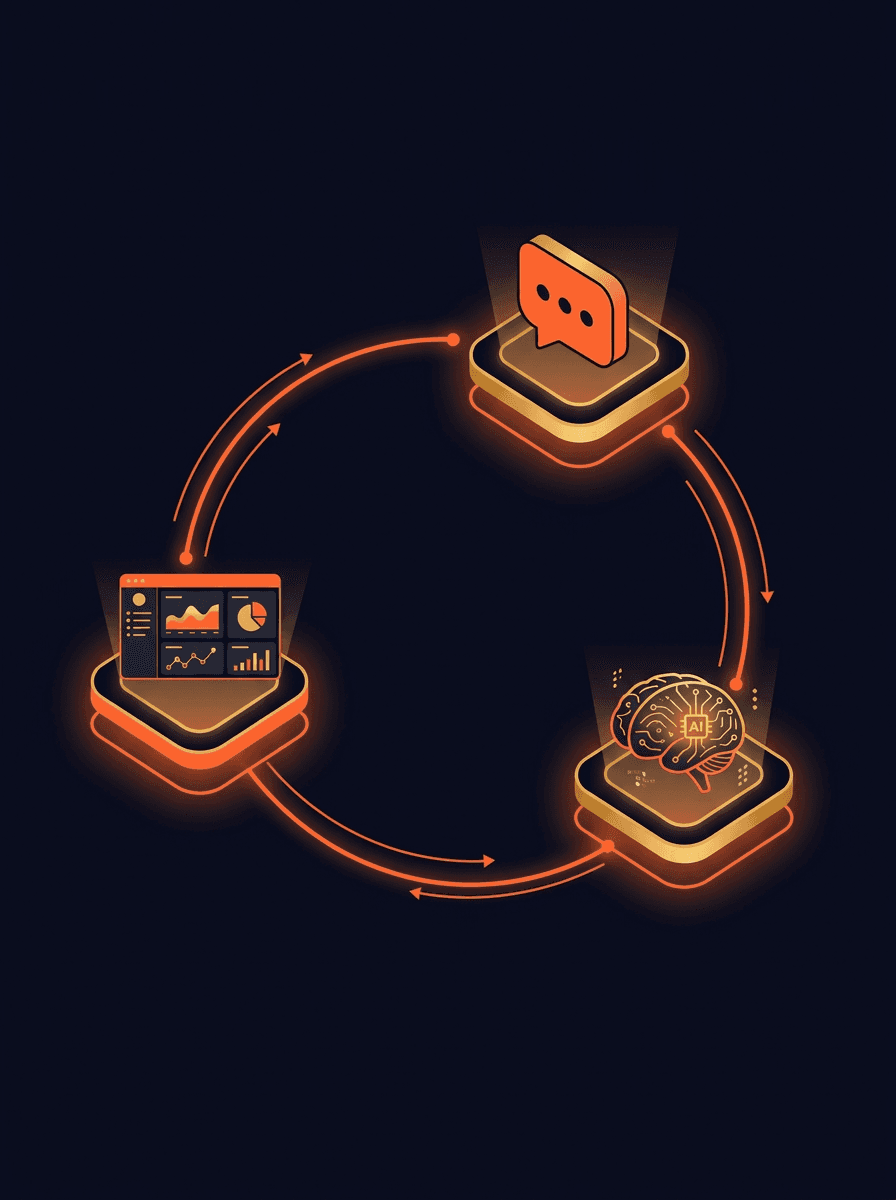
Each one does a different job. The question is which channel answers first, which one keeps the record and which one carries the detail.
Why the first reply matters
- Nearly 7xas likely to qualify a lead when a company tried to contact it within an hour of the enquiry, compared with trying an hour later (study of online leads at US companies)
Give each channel one job
- 01
WhatsApp: the first reply and short nudges
Most people who enquire have WhatsApp open, so it is the fastest way to reply and ask a question or two. An automatic reply can go out as soon as the enquiry arrives, with a person taking over once the buyer answers. Reminders and short nudges work well here too.
- 02
CRM: one record for every buyer
Every message, call, form and email belongs on one record per buyer, so the next person can pick up where the last one stopped. Status changes when the buyer acts (replies, books, pays), not when someone remembers to update it.
- 03
Email: detail and documents
Proposals, contracts, longer explanations and anything that needs a clear written record belong in email. It is slower to get a reply, but it is where people expect to receive documents and where a thread can be found months later.
CRM vs WhatsApp vs email, side by side
| Criterion | CRM (Zoho, HubSpot, Salesforce, LeadSquared) | WhatsApp Business (through a provider) | Email (Brevo, Mailchimp, Resend) |
|---|---|---|---|
| What the buyer sees | Nothing: it is your team's record | A chat on the app they already use | A message in their inbox |
| Speed of the first reply | Depends on someone acting on the record | Can be automatic, the moment an enquiry arrives | Automatic sends are quick; replies are usually slower |
| Rules for messaging | Internal, so no messaging rules apply | Templates approved by Meta outside the reply window; opt-in required | Consent required for marketing; unsubscribe link expected |
| How you pay | Subscription per user | Provider plan plus per-message charges set by Meta | Subscription or per-send pricing |
| Record for later | Strong: the central record | Needs logging into the CRM | Strong: threads and delivery logs are kept |
| Best used for | Pipeline, ownership and handoffs | First reply, questions, reminders | Proposals, documents, longer follow-up |
Six ways follow-up goes wrong
Each of these shows up often in growing businesses, and each comes from giving a channel the wrong job or letting two tools work separately.
WhatsApp only, no shared record
Sales staff reply from their own phones. There is no pipeline view, and conversations stop when someone is on leave.
WATI, Interakt and AiSensy comparedEmail only, nobody watching reply times
Well-written sequences go out, but nobody notices that enquiries wait hours for a first answer, while a competitor replies on WhatsApp.
How AI lead qualification works on WhatsAppCRM only, updated after the fact
The CRM becomes a place where statuses are typed in at the end of the week. It describes what happened instead of prompting what should happen next.
Lead generation and follow-up built around youPhone first, WhatsApp as an afterthought
Common in real estate and clinics. A missed call becomes a lost lead. An automatic WhatsApp message to a missed caller gives them a way back before they call someone else.
How we work with real estate developersSeveral channels, no record of consent
Marketing goes out on WhatsApp, email and SMS without a record of who agreed to what. Opt-ins should be collected per channel and per purpose.
Automation for service businesses, enquiry to invoiceTwo tools that do not talk to each other
The WhatsApp provider captures the lead and the CRM never sees it, or the deal closes and the email sequence keeps asking if they are still interested.
How n8n workflows connect your existing tools
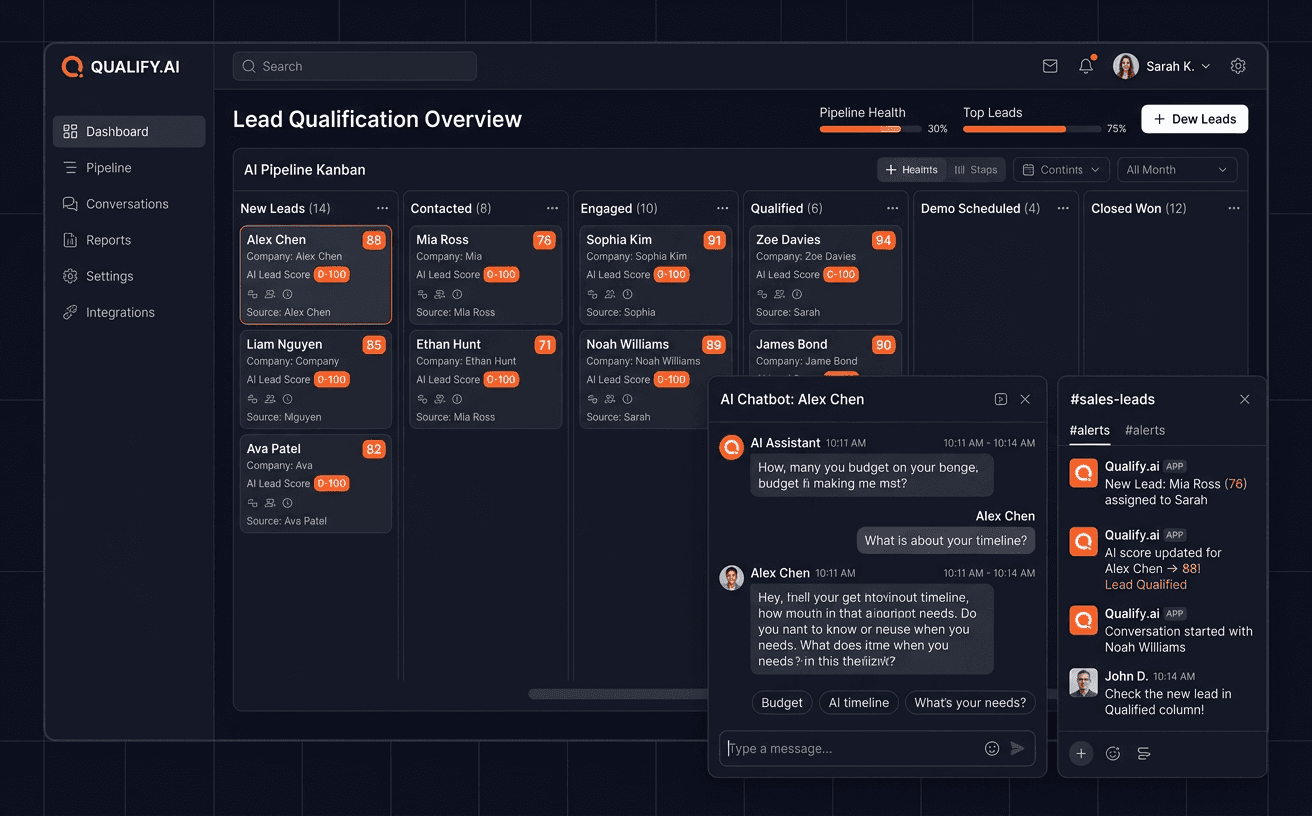
Capability showcase: how we do this work · B2B Lead Generation
AI Sales Pipelines: How We Build Them
Read how we do this workNot sure where your follow-up breaks?
The Automation Advisor asks how enquiries reach you and how your team follows up, then returns the tasks worth automating and the order to tackle them.
Open the full tool
Launch the interactive version in a new tab to plug in your numbers.
Open the toolQuestions about follow-up channels
How many people can a business message on WhatsApp each day?
Meta sets a messaging limit on how many different people a business can contact outside the customer's reply window in a rolling 24 hours. New accounts start low and move up through higher tiers as the business is verified and its messages stay good quality. Replies inside a conversation the customer started do not count against it. Meta's messaging limits documentation has the current tiers.What does consent look like for WhatsApp and email marketing?
Ask separately for each channel and each purpose, record when and how the person agreed, and make it easy to withdraw. Order updates and reminders a customer expects are different from marketing. We design opt-in flows this way; for legal advice on your specific case, speak to your own adviser.When is SMS still useful?
For one-time passwords and urgent notices, and as a fallback when a WhatsApp message cannot be delivered, for example because the number is not on WhatsApp. For most follow-up, WhatsApp and email do the job better.Does the WhatsApp provider we choose change this setup?
Only a little. The same pattern works on WATI, Interakt, AiSensy or Meta's Cloud API. Providers differ in pricing, inbox features and native integrations, which our provider comparison covers.Should our team reply from the CRM or from WhatsApp?
Ideally from one shared inbox connected to the CRM, so the buyer stays on WhatsApp and the team never loses the record. Several CRMs and WhatsApp providers support this. We check what your tools allow during the Consultation.How do we know if follow-up is working?
Track a few numbers before and after any change: how long the first reply takes, how many enquiries get a second touch, and how many become meetings, visits or orders by source. Those numbers show where enquiries drop, which is more useful than a single conversion rate.
Last reviewed October 2026
Find out where your enquiries are dropping before you change tools.
In a Consultation we look at how enquiries arrive, who answers them and what happens next. You get a plan: what to build, what to skip, the build cost and the timeline.