For D2C brands selling on Shopify
WhatsApp flows for carts, orders and reorders, on the provider you use
Cart recovery, order updates, COD confirmation and win-back built on AiSensy, WATI, Interakt or Meta's Cloud API, connected to Shopify.
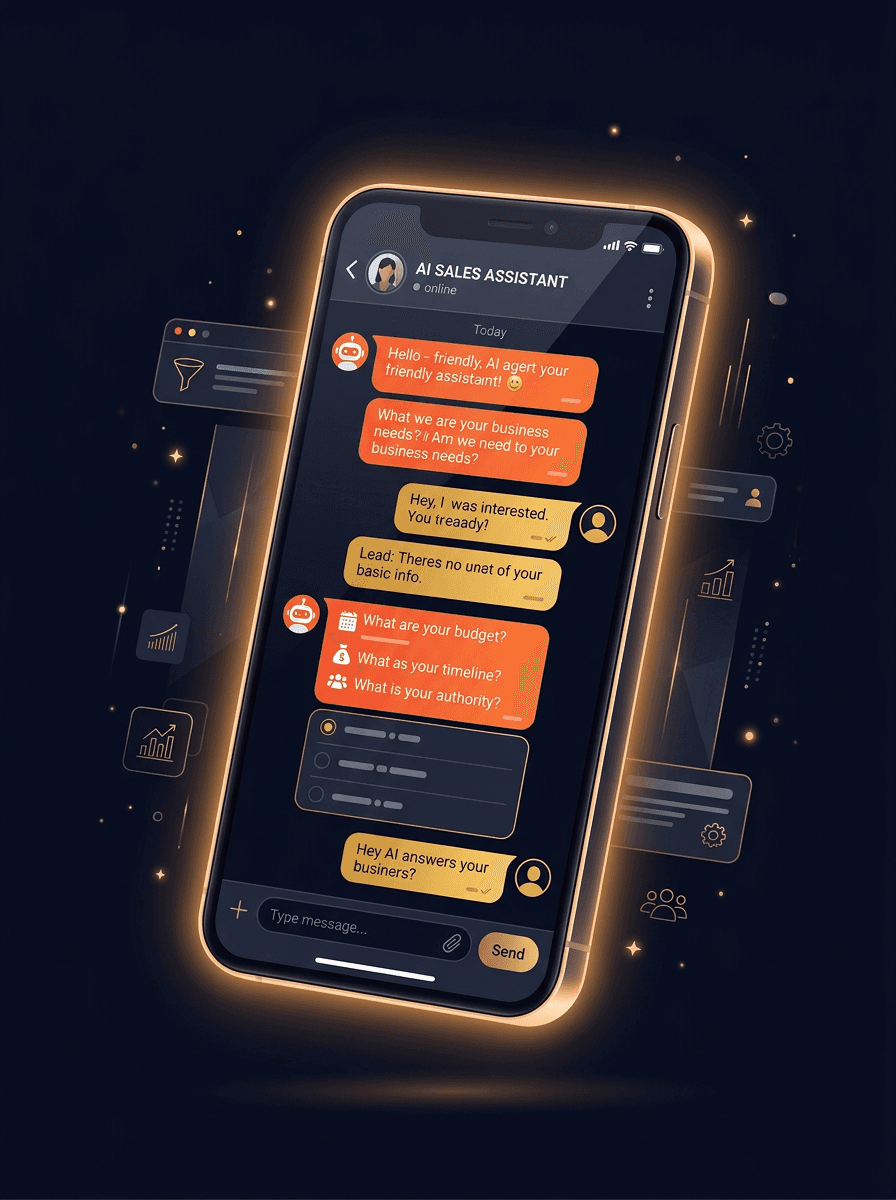
How a D2C WhatsApp project runs
- 01
Look at the store and the current setup
We review your Shopify checkout, your WhatsApp provider (or the lack of one), Meta Business verification, your ad tracking and your email tool. You get a written recommendation: keep your provider, switch, or go to Meta's Cloud API directly, with the reasons for each.
- 02
Build the core flows
Cart recovery, the order journey (confirmation, shipping, delivery, review request), COD confirmation, win-back for customers who have gone quiet, and click-to-WhatsApp ads that lead into a short product conversation. Templates are written to Meta's categories and submitted early, since approval is done by Meta.
- 03
Connect Shopify, payments, shipping and email
Shopify events trigger the messages, payment and shipping updates feed the order journey, and customer details sync with Klaviyo or your email tool so segments and unsubscribes stay consistent across channels.
- 04
Hand over and tune
Your team gets the playbook and every account in your name: Meta Business, the WhatsApp provider, the Shopify app and the code. We then test copy, timing and offers with you, and keep what improves orders.
The flows most Shopify brands start with
Each is a standard pattern on the WhatsApp Business Platform. What changes per brand is the timing, the wording and whether a discount makes sense for your margins.
Cart recovery in a few short messages
A reminder with the product and a link back to checkout, then one or two follow-ups. The sequence stops as soon as the customer replies or buys.
How we work with D2C brandsOrder updates customers actually read
Confirmation, shipping, out for delivery and delivered, sent as utility templates, which Meta prices lower than marketing messages.
CRM, WhatsApp and email for follow-up comparedCOD confirmation before dispatch
Every COD order is confirmed on WhatsApp, address changes are captured before shipping, and buyers can be offered a reason to switch to prepaid.
Automations and AI for store operationsWin-back for quiet customers
Customers who have not ordered in a while get a message based on what they bought before, with any offer set against their past order value.
Marketing and social media for D2C brandsClick-to-WhatsApp ads
Meta ads open a WhatsApp chat that asks one or two product questions, then shows the catalogue or hands the shopper to your team.
How AI lead qualification works on WhatsAppReviews and customer photos
A rating request after delivery, an optional written review and a simple way for customers to send photos you can use, with their permission.
Websites and stores built to convert
Capability showcase: how we do this work · Web Development
Business Websites That Convert
Read how we do this workFix the store before you add more messages
WhatsApp brings people back to your store, so the store has to work. The Website Conversion Autopsy reports what stops shoppers from buying, with fixes in order of priority.
Open the full tool
Launch the interactive version in a new tab to plug in your numbers.
Open the toolFrequently asked questions
Is WhatsApp worth it for a smaller brand?
Work it out with your own numbers. Meta charges per message, by type and country, and your provider adds its plan fee. Compare that with the orders a recovered cart or a confirmed COD order is worth. Order updates and COD confirmation usually justify themselves first; marketing messages need more care.How do template approvals work?
Messages outside a customer's reply window must use templates approved by Meta. The most common reason for rejection is the wrong category, such as a promotional message submitted as a utility update. We write templates to the right category, resubmit with changes when one is rejected, and keep a record of the approved versions.Which provider should we use?
It depends on your message volume, the tools you need it to connect to and whether you have a developer. AiSensy, Interakt and WATI suit most brands; Meta's Cloud API directly can cost less at volume but needs someone technical to look after it. We build on any of them, plus Gallabox and DoubleTick.Does this replace Klaviyo or our email tool?
No. Email still suits longer stories, launches and newsletters. WhatsApp suits time-sensitive messages: carts, shipping, COD and short win-back notes. We sync customer details both ways so segments and unsubscribes match.Do you take a fee from WhatsApp providers?
No. You pay the provider directly for messages and pay us for the work. We have no reason to recommend one provider over another.
Related guides for D2C teams
Pages your operations and marketing leads may want to read alongside this one.
Last reviewed October 2026
Start with the messages your customers are already waiting for.
In a Consultation we look at your store, your COD and repeat-order numbers and your current WhatsApp setup. You get a plan: what to build, what to skip, the build cost and the timeline.