Generative Engine Optimization: for Indian SaaS
GEO audit: how your SaaS site shows up in ChatGPT, Perplexity, and Gemini answers (not just Google)
We grade your visibility across the four answer engines that now decide buyer shortlists, and ship the schema, content, and citation fixes that get you cited.
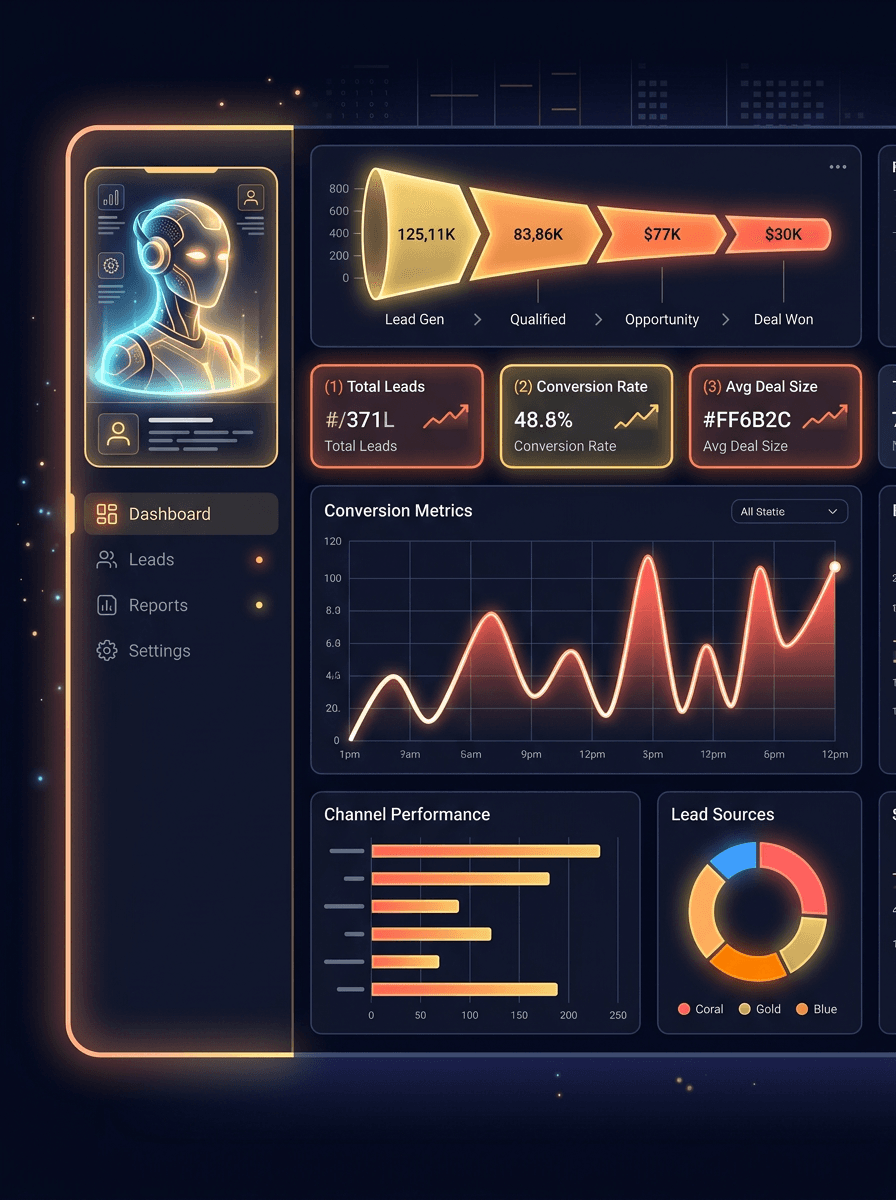
Systems we build and run in production
- Outbound Engine
- Content Engine
- AI Scoring
- Sending Infra
- Design System
- SEO Reports
Why Indian SaaS sites are vanishing from the answer engines
- 37%of global B2B buyers now start product research in ChatGPT, Perplexity, or Gemini before they ever open Google or a vendor site
- 65%of Google searches now end without a click thanks to AI Overviews and zero-click answer panels that synthesise the answer in-SERP
- 40+pages on our own site running one design-token system with full JSON-LD coverage, the same structured-data discipline the audit brings to yoursNaavim Labs internal systems, 2026
- WeeklySearch Console report emailed to us automatically with zero human involvement, so every GEO recommendation we make is grounded in data we watch on our own site every weekNaavim Labs internal systems, 2026
What a Naavim GEO audit actually does
- 01
Run 60 buyer-intent prompts across four engines
We script ChatGPT, Perplexity, Gemini, and Google AI Overviews with the exact queries your ICP types: category queries, jobs-to-be-done queries, comparison + alternative queries, and integration queries. For each prompt we log who gets cited verbatim, who gets summarised without attribution, and who gets skipped entirely, then graph the citation network so you can see exactly which competitor pages are stealing your demos.
- 02
Tear down your structured-data + content gaps
JSON-LD coverage (Organization, SoftwareApplication, FAQPage, BreadcrumbList, HowTo), schema accuracy against Schema.org and Google Rich Results validators, content-chunking depth, citation-worthy explicit numerical claims, alt-text for image carousels, internal-link anchor specificity, page freshness signals. The eight signals AI crawlers weight most when picking citation sources for an answer.
- 03
Ship the schema, content, and citation fixes
We rewrite your top 10 commercial-intent pages for citability (short answer-shaped paragraphs, sourced numerical claims, FAQ blocks), deploy all five JSON-LD blocks, file the structured-data updates with Google + Bing, and seed the third-party citations on Reddit, Substack, G2, Capterra, and Indian SaaS round-ups that LLM crawlers learn from over time. We re-audit at 30 and 90 days to measure citation lift and tune the remaining gaps.
What we fix on Indian SaaS sites, by buyer query type
Every page you ship is a chance for ChatGPT to cite you instead of a competitor. We rebuild for the four highest-intent query patterns.
Category queries: "best X for Y in India"
Comparison hubs with verifiable feature tables, schema-marked product cards, and Indian-context evidence (DPDP Act compliance, INR pricing tiers, Indian payment rails, GST-invoice support). These are the highest-citation-value pages on most SaaS sites and the most consistently under-built.
See our WATI vs Interakt vs AiSensy GEO playbookIntegration queries: "does X work with Razorpay / Zoho / Tally"
Per-integration pages with HowTo schema, code snippets in the buyer's actual stack, and Indian-stack screenshots that answer engines cite verbatim when buyers ask about specific Indian tooling fit.
Read the n8n automation agency playbookComparison + alternative queries
Side-by-side pages that pass the Perplexity citation test: sourced rows, neutral tone, explicit weaknesses called out, and disclosure of who you do and don't resell. Neutral comparison content gets disproportionate citation weight because answer engines value perceived objectivity.
See the CRM vs WhatsApp vs email comparisonROI + benchmark queries: "how much does X cost in India"
Calculators and benchmark pages that surface numerical answers AI engines prefer to direct-quote. INR cost ranges, conversion-rate benchmarks, and ROI projections all rank for high-intent buyer queries.
See the missed lead cost calculatorJobs-to-be-done queries: "how to do X for Indian businesses"
Long-form HowTo pages with step-by-step JSON-LD, screenshots, and India-specific gotchas (GST, TDS, DPDP consent, RBI guidelines) that the global articles miss entirely. These pages own the long-tail and feed the top-of-funnel citation graph.
Read the AI workflow automation playbookHindi + Hinglish discovery
AI engines now answer Hindi queries in Hindi and prefer Devanagari content for those answers. We add a Hinglish title-tag layer and Devanagari heading mirrors so your category gets cited across both language pools. A single-language SaaS site is invisible to roughly 30% of Indian B2B buyer queries.
See the Indian D2C GEO playbook
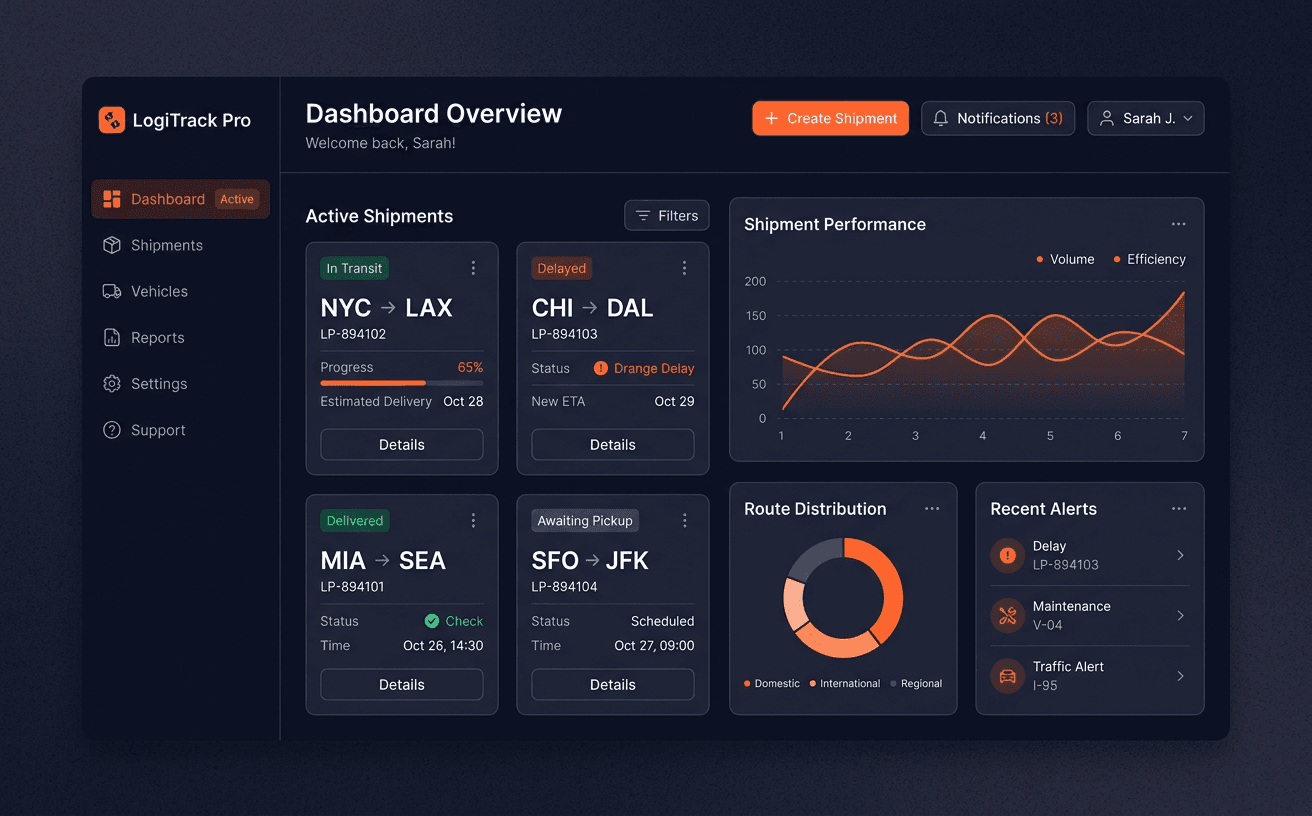
Capability showcase — how we do this work · AI Search & Generative Engine Optimization
AI Search Visibility: How We Get Brands Cited by ChatGPT and Perplexity
“We practise GEO on our own site first: full JSON-LD coverage on every page, answer-shaped content, and a weekly Search Console report that lands in our inbox with no human involved. The audit applies the same discipline to yours.”Read the full case study
Before you commit: get a free automation readiness score
The automation advisor is the closest free proxy we have today for the dedicated SEO + GEO grader we ship in Phase 3 (Q3 2026). It scores how AI-ready your stack is in under 5 minutes, captures the GEO and content-architecture gaps a paid audit would find first, and emails you a tailored fix list. It runs on Gemini via Vertex AI under the hood, the same model architecture answer engines are crawling against.
GEO for Indian SaaS: the questions buyers actually ask
What is GEO (Generative Engine Optimization) and how is it different from SEO?
SEO optimises for Google's ranked link list: ten blue links, you fight for the top three. GEO optimises for the answer engines (ChatGPT, Perplexity, Gemini, Google AI Overviews) that synthesise a single answer and cite 2-5 sources. The mechanics overlap (clean schema, fast pages, authoritative content all still matter), but GEO weights structured data, explicit numerical claims with sources, third-party mentions on Reddit and G2, and short answer-shaped content chunks far more heavily than classical SEO does. Most Indian SaaS teams are still optimising for the blue links and missing the citation game entirely.How do ChatGPT, Perplexity, and Gemini actually crawl an Indian SaaS site?
Perplexity and Gemini have live web access via their own crawlers and re-crawl on every relevant query, so your page can be cited within minutes of going live. ChatGPT browses via OAI-SearchBot and Bing's index, so updates take 24-72 hours to surface. All four engines prefer pages with explicit JSON-LD (Organization, SoftwareApplication, FAQPage), short answer-shaped paragraphs (2-4 sentences per chunk), and authoritative third-party mentions. Indian sites also get downranked when content reads as keyword-stuffed or thin, a common pattern in the local SaaS niche we audit.Which structured-data schema types matter most for SaaS GEO?
Five blocks do most of the work, and most Indian SaaS sites ship zero or one of them. Organization (root identity, links your social handles + G2 profile), SoftwareApplication (product entity with applicationCategory, operatingSystem, offers + pricing range), FAQPage (cited verbatim by answer engines for direct-answer queries), BreadcrumbList (hierarchy signal that lifts deep-page citation odds), and HowTo (cited as step-by-step answers for integration and onboarding queries). The audit deploys all five, validates them in Google's Rich Results Test, and re-checks via Schema.org's validator before go-live.What ranking signals do ChatGPT and Perplexity weight that classical Google search doesn't?
Three big ones. First, third-party citation density: being mentioned on Reddit, Substack, Indian SaaS round-ups, G2, Capterra, and tools-comparison content carries disproportionate weight because answer engines treat them as independent verification. Second, explicit numerical claims with sourceLabel-style attribution: answer engines prefer quotable numbers over hand-wavy adjectives. Third, content freshness signals: answer engines down-weight pages that haven't been updated in 12+ months because the underlying knowledge cutoff matters. We address all three in the 90-day plan.Are there India-specific GEO gotchas: Hindi, .in domains, language fallback?
Yes. ChatGPT and Gemini both answer Hindi and Hinglish queries in the asked language, and they prefer Devanagari content when generating Hindi answers, but most .in SaaS sites only ship English content. We add Hinglish title-tag layers and Devanagari heading mirrors for the top 10 commercial-intent pages so your category gets cited in both language pools. The .in TLD itself carries no penalty for global answers; what actually matters is your hreflang configuration and the natural language of your H1 + first paragraph.How long does a full GEO audit take, and what does the deliverable look like?
Two weeks end-to-end. Week 1 we run 60 buyer-intent prompts across all four engines and log the citation graph (who gets cited, who gets summarised, who gets skipped). Week 2 we tear down your schema, content, and third-party mentions, then ship a fix-list memo prioritised by the citation-uplift expected per fix. You walk away with a 25-30 page report covering current visibility, schema gaps, content rewrites, and a 90-day implementation roadmap. The fix-implementation engagement is a separate scope, sized by the audit findings.When does the dedicated SEO + GEO grader tool ship, and how does it differ from the audit?
The self-serve grader ships in Phase 3 (Q3 2026). It will run 20 buyer-intent prompts across the four engines and return a 0-100 GEO score in under 90 seconds, plus a fix-path PDF emailed to you. The paid audit goes much deeper: 60 prompts, full schema teardown, content rewrites, third-party citation seeding (Reddit + G2 + Capterra outreach), and a 90-day re-check measuring citation lift. Use the automation advisor today as the closest free proxy for the AI-readiness side of the equation.
More Growth Engine deep-dives
Naavim ships GEO, AI capture, and follow-up systems for Indian businesses. Sibling pages worth bookmarking.
Keep reading
Case studies
Your competitors are already getting cited in ChatGPT answers. Find out what they're shipping that you're not, in 20 minutes.
Audit covers all four engines. You walk away with the gap list whether or not you hire us.